Tools + answers for the people who keep things running
Your network questions, answered in seconds.
Free, fast, browser-based tools for sysadmins, developers and security folks. No accounts, no uploads, no tracking your inputs. Plus field guides that give you the answer first and the theory after.
Latest
All articles →
Cursor Origin: what the GitHub rival actually ships
Cursor opened its Origin git forge to all paid plans on 17 August, the day GitHub broke. What it does, what it is missing, and who holds your code now.
By Stéphane Cardon
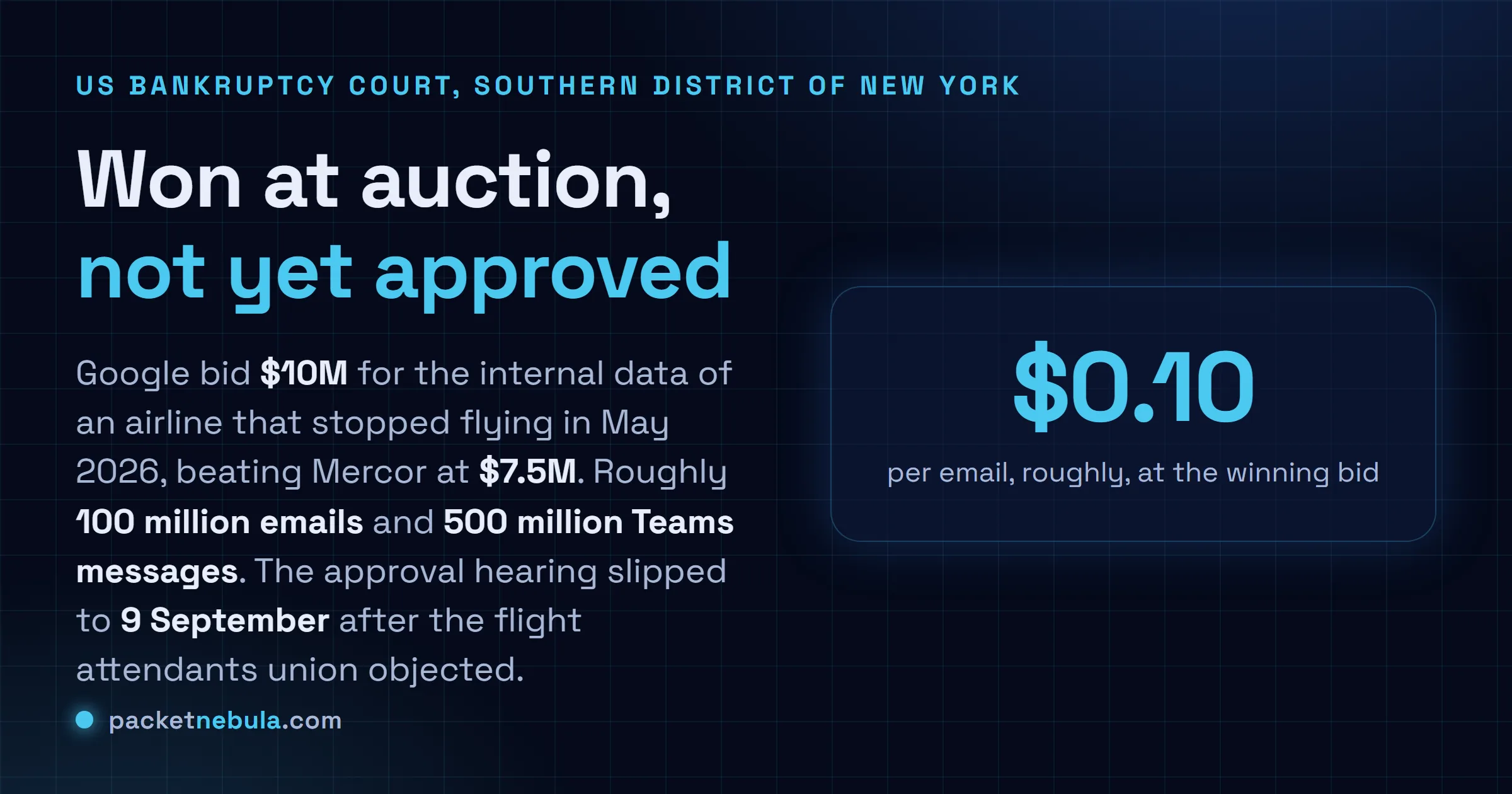
Google's $10M Spirit Airlines Data Buy Slips to September 9
Google won a bankruptcy auction for Spirit Airlines' internal emails and Teams history at $10 million. The cabin crew union objected, so approval slipped to 9 September.

Cerebras CS-4: 750 PFLOPS from an overclocked wafer
Cerebras' CS-4 packs three WSE-3 Turbo wafers into one rack for 750 PFLOPS. The die is unchanged. Here's what the 30x claim really measures, and what's missing.
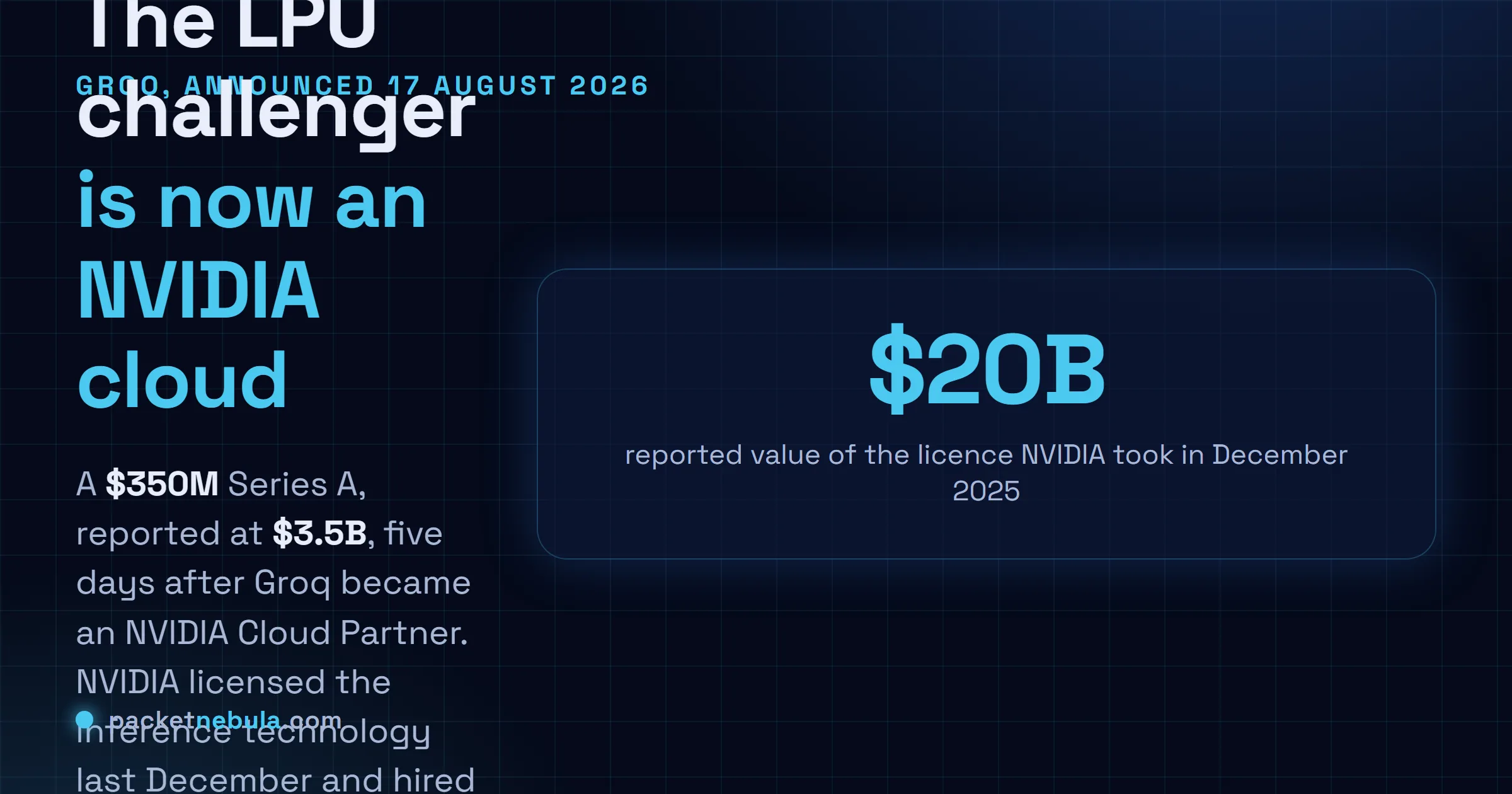
Groq's $350M reset: from Nvidia rival to Nvidia partner
Groq closed a $350M Series A on 17 August, reportedly at $3.5B, with Nvidia joining the round. The LPU challenger now sells Nvidia capacity. What that changes.
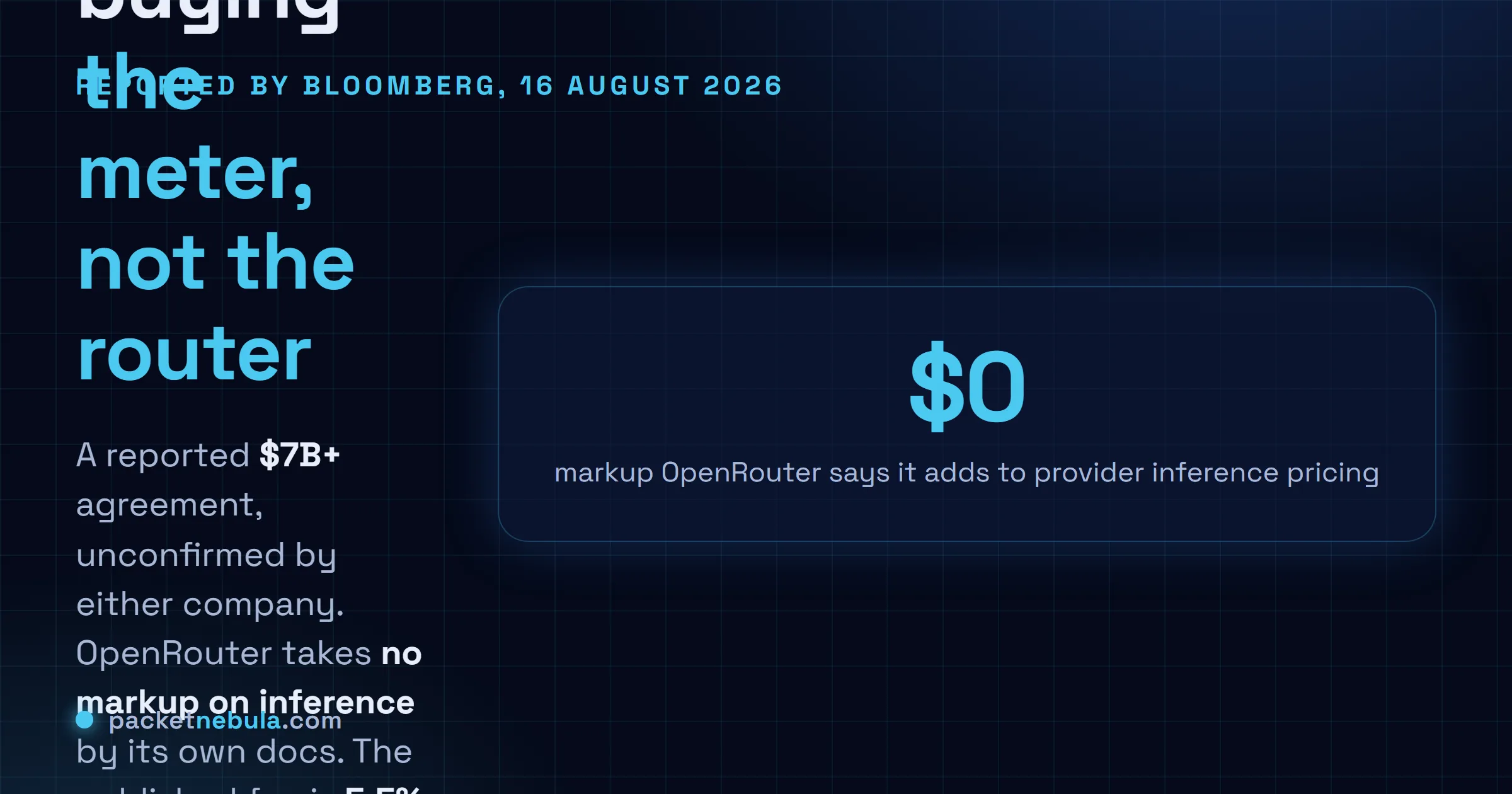
Stripe's $7B OpenRouter deal: what changes for your keys
Bloomberg says Stripe finalised a deal to buy OpenRouter for over $7B. Nothing is confirmed and nothing changed on your API keys. What Stripe is really buying.
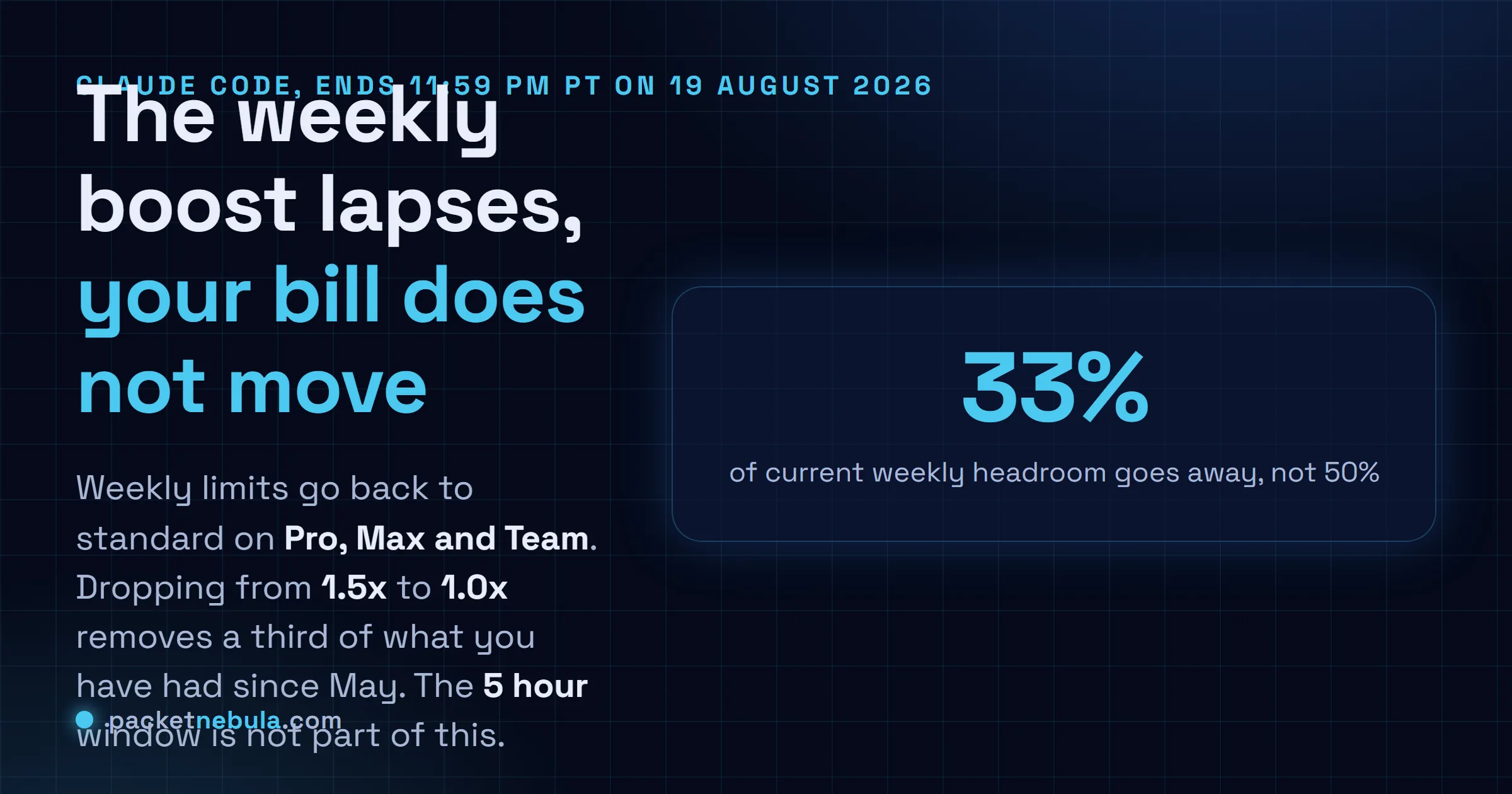
Claude Code weekly limits drop a third after August 19
The +50% weekly limits promotion in Claude Code ends at 11:59 PM PT on 19 August 2026. That is a third off your headroom, not half. What changes, what does not.

Claude's text watermark: no opt-out, and no detector yet
Anthropic marks every Claude output with a SynthID style watermark. Global, no opt-out, weakest on code and short text, and the public detector has not shipped.
Flagship tools
All tools →Security
Password Generator
Cryptographically secure passwords and passphrases, with real crack-time estimates.
Runs in your browser
Network
IPv4 Subnet Calculator
CIDR, masks, ranges and subnet splitting with a visual map of the address space.
Runs in your browser
Dev
JWT Decoder
Decode and inspect JSON Web Tokens locally, with expiry timeline and signature check.
Runs in your browser
Dev
Cron Expression Builder
Build cron schedules with buttons, see the next 10 runs instantly.
Runs in your browser
Network
DNS Lookup
Every record for a domain, plus a zone health read that flags missing MX, SPF, DMARC and CAA.
Security
SSL Certificate Checker
Expiry countdown, chain details, protocol and SAN list for any HTTPS host.
By category
Developer tools
Decode, build and debug faster: JWT, cron, encodings and more.
Network tools
Subnets, DNS, IPs: the daily bread of network admins, done right.
Security tools
Passwords, TLS certificates and the things that keep you off incident calls.
Email & DNS tools
SPF, DKIM, MX and the plumbing behind deliverability.
SEO tools
Technical SEO checks that actually move rankings.
Sysadmin tools
Converters, calculators and cheats for people who run servers.